Gaming: Keep the Fun, Know the Risks, Stay in Control
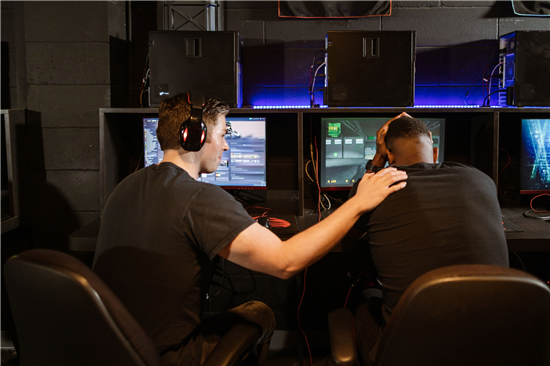
Gaming is one of the most exciting inventions ever. It is fun, creative, competitive and full of opportunities — from making friends and building skills to future careers in design, coding, esports, streaming and digital media. But because gaming can be so engaging, it is important to enjoy it safely, keep control of your time, and know what to do if something online does not feel right.
What's Good about Gaming?
What’s Good About Gaming?
- Creativity: Games can help you design worlds, build characters, solve problems and think differently.
- Friendship: Online games can help you stay connected with friends, especially when you cannot meet in person.
- Teamwork: Multiplayer games can build communication, leadership and strategy skills.
- Confidence: Learning a new game, improving your rank or completing a hard level can feel rewarding.
- Stress relief: Gaming can be a fun way to switch off, relax and enjoy yourself after a busy day.
When Gaming Can Become a Problem
When Gaming Can Become a Problem
Gaming becomes risky when it starts taking over other parts of your life. It is not about blaming games — it is about noticing when gaming stops being fun and starts feeling like something you cannot control.
- You feel angry, anxious or low when you cannot play.
- You lose track of time and regularly play much longer than you planned.
- Your sleep, school, college, work, hygiene or meals are affected.
- You avoid real-life friends, family, hobbies or responsibilities so you can game.
- You keep gaming even when it causes arguments or problems.
- You spend money on skins, loot boxes, upgrades or in-game items and later regret it.
- You hide how much you are gaming or lie about it.
- You feel pressured by other players to stay online, share personal information, send images, join private chats or meet up.
Self-Check: Am I Still in Control?
Be honest with yourself. This is not about getting into trouble — it is about understanding your own habits. If you answer “yes” to several of these, it may be time to talk to someone you trust.
- Do I game to escape difficult feelings most days?
- Do I find it hard to stop, even when I know I should?
- Do I feel more myself online than offline?
- Have people I care about said they are worried about my gaming?
- Am I missing sleep, meals, school, college, work or activities because of gaming?
- Have I spent money in-game that I did not really want to spend?
- Have I been contacted by someone online who made me feel uncomfortable, pressured or confused?
 |
How Can Gaming Affect Your Mental Health and Wellbeing?
|
Gaming can affect how you feel, think, sleep and connect with other people. For some young people, gaming can be a positive space that helps them relax, make friends, feel confident and take a break from stress. But if gaming becomes the main way you cope, escape or feel good about yourself, it can start to affect your wellbeing.
- Mood: Gaming can lift your mood, but too much can leave you feeling irritated, restless, low or anxious when you are not playing.
- Sleep: Late-night gaming, bright screens, exciting matches and group chats can make it harder for your brain to switch off, which can affect energy, concentration and emotions the next day.
- Stress and pressure: Competitive games, rankings, streaks, team expectations and fear of missing out can make gaming feel like pressure instead of fun.
- Confidence: Winning, improving and being part of a team can boost confidence, but toxic comments, bullying, losing streaks or comparing yourself to others can knock your self-esteem.
- Friendships: Gaming can help you connect, but it can also lead to isolation if online time replaces face-to-face friendships, family time or other interests.
- Focus: Long gaming sessions can make it harder to concentrate on school, college, work, hobbies or things you used to enjoy.
- Body and brain: Sitting for long periods, skipping meals, not drinking enough water or forgetting to move can leave you feeling tired, tense or unwell.
Signs Gaming Might Be Affecting Your Wellbeing
- You feel unable to enjoy anything else.
- You feel panicky, angry or upset when you have to stop.
- You stay up late gaming even when you know you need sleep.
- You feel lonely offline but pressured to stay online.
- You are avoiding school, college, work, family or friends.
- You are using gaming to block out difficult feelings most days.
- You feel worse about yourself because of comments, bullying, losing, comparison or online drama.
- You feel trapped by a game, group chat, online friendship, streak, clan, team or ranking system.
Look After Your Mind While You Game
- Take short breaks between games, especially after intense matches.
- Notice how you feel before and after gaming — calmer, happier, stressed, angry, tired or drained?
- Keep gaming out of your sleep routine where possible.
- Mute, block or report people who make gaming feel unsafe or upsetting.
- Follow players and creators who make you feel positive, not pressured or insecure.
- Make time for offline things that help your wellbeing, such as music, sport, walking, creativity, pets, friends, family or quiet time.
- If gaming is becoming your only escape, talk to someone you trust. You deserve support with what is underneath the gaming, not judgement for playing.
Online Risks to be Aware Of
Online Risks to Be Aware Of
- Content: You might see violent, hateful, sexual, scary or harmful material that affects how you feel or think.
- Contact: Not everyone online is who they say they are. Some people use gaming chats to build trust, ask personal questions, move conversations to private apps or pressure young people.
- Conduct: Arguments, bullying, dares, threats, image-sharing and toxic chat can become harmful quickly.
- Commerce: Loot boxes, skins, subscriptions, gambling-style rewards and scams can encourage spending more than you planned.

Gaming, Grooming and Exploitation: What You Need to Know
Most people you meet through gaming are there to have fun. But some people use gaming platforms, chat rooms, livestreams, private messages and linked apps to target young people. Grooming does not always look scary at first. It can start with someone being friendly, giving compliments, offering help in a game, sending gifts, sharing tips, inviting you to a private server, or making you feel special and understood.
Grooming is when someone builds trust with you so they can control, pressure, exploit or harm you. It can happen slowly, and it can happen to anyone. It is never your fault if someone tricks you, pressures you or uses your trust against you.
How Grooming Can Happen Through Gaming
- They build friendship quickly: They may say you are mature, different, special, talented or the only person who understands them.
- They offer rewards: They may offer skins, game passes, currency, boosts, gifts, money or access to private groups.
- They move you away from the game: They may ask you to chat on another app where there is less moderation or fewer safety checks.
- They ask personal questions: They may want to know your age, school, location, family situation, routines, worries or whether adults check your phone.
- They create secrecy: They may say, “Don’t tell anyone,” “Your parents won’t understand,” or “This is just between us.”
- They test boundaries: They may start with jokes, dares, personal questions, images, sexual comments, violent content or requests to go on camera.
- They use guilt or pressure: They may say they are lonely, disappointed, upset or angry if you do not reply, stay online, send something or do what they ask.
- They try to meet offline: They may suggest meeting in person, being picked up, going somewhere private or keeping the meeting secret.
Red Flags: Pause and Get Help
- Someone online asks you to keep your friendship or messages secret.
- Someone asks for your address, school, location, phone number, social media, private images or live camera access.
- Someone makes you feel guilty for not replying or not doing what they want.
- Someone sends sexual, violent, racist, hateful or frightening content.
- Someone asks you to move from a game chat to a private app.
- Someone offers money, gifts, game items or status in exchange for images, favours, tasks or meeting up.
- Someone threatens to share images, messages or information about you.
- Someone encourages you to hurt yourself, hurt someone else, carry something, hide something, sell something or keep secrets for them.
- You feel confused, trapped, scared, ashamed or worried about what might happen if you tell someone.
Remember: It Is Not Your Fault
If someone has pressured, tricked, threatened or manipulated you online, the responsibility sits with them — not you. Groomers are skilled at making young people feel responsible, embarrassed or scared to speak up. Telling someone is not “snitching”, “overreacting” or “getting yourself in trouble”. It is a way to get help and stop the pressure.
What To Do If Something Feels Wrong
- Stop and pause: You do not have to reply straight away.
- Do not meet up: Never meet someone from gaming without speaking to a trusted adult first.
- Do not send more: If someone is asking for images, videos, money or personal information, do not send anything else.
- Save evidence: Keep usernames, messages, screenshots, dates and platform details if it is safe to do so.
- Block and report: Use the game or app’s safety tools to block and report the account.
- Tell a trusted adult: Speak to a parent, carer, teacher, youth worker, coach, social worker or another adult you trust.
- Get urgent help: If you are in immediate danger, feel at risk of harm, or someone is threatening you, contact emergency services or ask a trusted adult to help you do this.
Safer Gaming Boundaries
Safer Gaming Boundaries
- Keep gaming friends in the game unless you know them safely in real life.
- Use a gamer tag that does not reveal your real name, age, school or location.
- Turn off location sharing and check privacy settings regularly.
- Be careful with voice chat, livestreams and camera use.
- Do not accept private invites, gifts or game currency from people who make you feel uncomfortable.
- Ask yourself: “Would I be okay with a trusted adult seeing this chat?” If the answer is no, it may be a sign to get support.
- Have a code word or simple phrase you can use with a trusted adult if you need help but feel embarrassed to explain everything straight away.
Safe Gaming Tips
Safe Gaming Tips
- Set your own limits: Decide how long you will play before you start. Use alarms, timers or built-in screen-time tools.
- Protect your sleep: Try not to game right up to bedtime. Your brain needs time to switch off.
- Keep personal information private: Do not share your address, school, phone number, passwords, location or private images.
- Use privacy settings: Check who can message you, add you, see your profile or invite you to chats.
- Block and report: If someone makes you uncomfortable, block them, report them and tell a trusted adult.
- Think before you spend: Ask yourself, “Do I really want this, or is the game pushing me to buy it?”
- Balance your life: Make space for sleep, food, school, hobbies, movement, friends and family.
- Trust your gut: If something feels wrong, it probably needs checking out.
If You Think Gaming Is Taking Over
You are not weak, bad or “addicted for life” if gaming has become too much. Lots of people need help resetting habits. A good first step is to speak to someone you trust — a parent, carer, teacher, youth worker, counsellor, coach or another safe adult. You could say: “I think gaming is starting to affect me and I need help getting back in control.”
A Simple Reset Plan
- Track how long you game for one week — no judgement, just facts.
- Choose one change, such as stopping 30 minutes earlier or keeping gaming out of your bedroom at night.
- Tell someone your plan so they can support you.
- Replace some gaming time with something else you enjoy, even if it is small.
- Review after a week: what helped, what was hard, and what needs changing?
Final Message
Final Message
Gaming should add to your life, not take it over. Enjoy it, create, compete, connect and have fun — but keep checking in with yourself. The best gamers know when to play, when to pause and when to ask for support.